
Anabolic steroid use carries real health consequences, and anyone researching the UK Steroids shop market should understand that safety extends far beyond the point of purchase. Harm reduction is the practice of minimising physical and psychological risks for people who choose to use these substances, and it has become a growing focus among public health professionals across the country. Rather than ignoring the reality of steroid use, harm reduction services aim to meet individuals where they are and guide them toward safer practices.
What does medical monitoring actually involve?
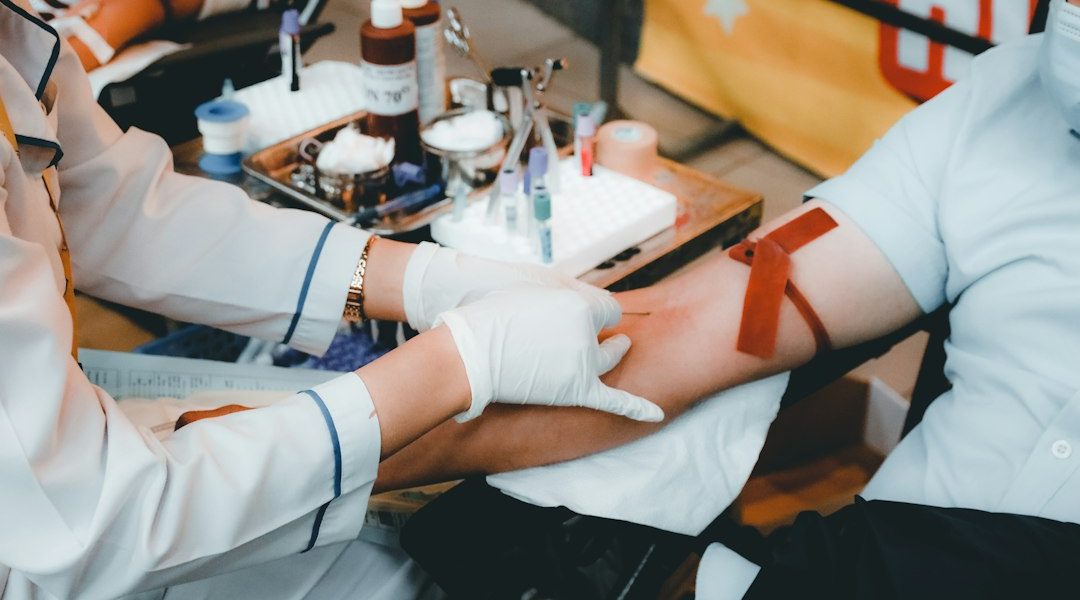
Regular blood work is one of the most important safeguards available to steroid users. Liver function, cholesterol levels, and hormone balance can all shift significantly during a cycle, and routine testing allows a clinician to catch problems before they become serious. Blood pressure checks and cardiovascular assessments are equally important, since steroids can place additional strain on the heart. Working with a general practitioner or a specialist clinic, rather than relying solely on anecdotal advice, gives users access to professional interpretation of these results.
Why do needle exchange programmes matter?
Needle and syringe programmes exist throughout the UK specifically to reduce the spread of bloodborne infections among people who inject substances, including anabolic steroids. These services provide sterile equipment free of charge and often include guidance on safer injection technique. Many also offer screening for infections, creating an additional layer of protection for users who might otherwise avoid clinical settings out of concern or embarrassment.
Where can someone find confidential support?
Confidentiality is often the deciding factor in whether a person seeks help at all. Drug and alcohol services across the UK are generally structured to protect patient privacy, meaning individuals can discuss steroid use openly without fear of judgment or unwanted disclosure. Charities and helplines dedicated to substance use frequently extend this same confidential approach, offering phone or online consultations for those who prefer not to visit a clinic in person. These services are typically free and staffed by trained professionals familiar with the specific risks associated with anabolic substances.
What role does honest communication with a doctor play?
Many users hesitate to mention steroid use during medical appointments, often out of fear of a negative reaction. This silence can be dangerous, since doctors cannot properly assess symptoms or adjust other medications without complete information. Building a trusting relationship with a healthcare provider, even one unrelated to a specific clinic, allows for more accurate diagnosis and safer long-term health management.
How does harm reduction change the broader conversation?
Framing steroid use through a health and safety lens shifts the focus away from judgment and toward practical protection. It acknowledges that people will make their own choices while still ensuring they have access to accurate information, clinical support, and confidential services. This approach has proven effective in other areas of substance use, and its principles apply just as clearly here.
Anyone currently using or considering anabolic steroids should prioritise regular medical checks, make use of sterile equipment services, and reach out to confidential support lines whenever questions or concerns arise. Informed decisions, grounded in professional guidance, remain the clearest path toward reducing long-term harm.
At a Glance
- Anabolic steroid use poses significant health risks, and harm reduction practices aim to minimize these risks for users.
- Regular medical monitoring, including blood tests and cardiovascular assessments, is crucial for detecting health issues in steroid users before they worsen.
- Needle exchange programs in the UK provide sterile equipment and information on safer injection techniques to reduce the spread of bloodborne infections among injectable substance users.
- Confidential support services for substance use allow individuals to discuss steroid use without fear of judgment, enabling them to seek help more openly.
- Honest communication with healthcare providers about steroid use is essential for accurate diagnosis and safe health management.
- The harm reduction approach reframes steroid use as a health issue, promoting access to accurate information and clinical support while acknowledging users’ autonomy.