
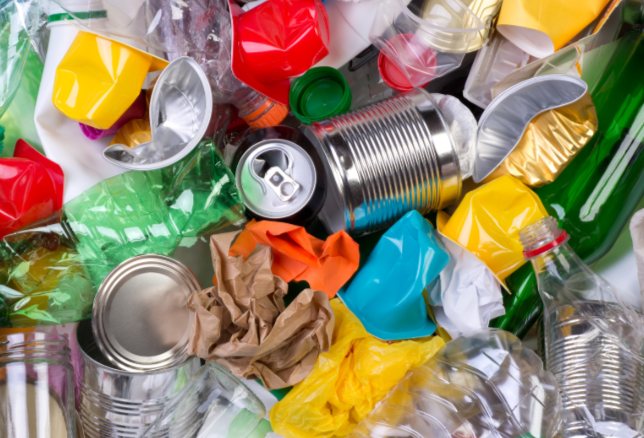

Polyethylene Terephthalate, commonly known as PET, is one of the most widely used plastics globally. It is primarily used in beverage bottles, food containers, and various packaging materials due to its lightweight, strong, and transparent nature. While recycle PET is highly versatile and convenient, its extensive use has contributed to significant environmental challenges. Recycling PET is an essential step toward reducing plastic waste, conserving natural resources, and promoting sustainability.
Importance of PET Recycling
Recycling PET helps minimize environmental pollution by diverting plastic from landfills and water bodies. PET is non-biodegradable and can persist in the environment for hundreds of years if not properly managed. By recycling PET, the pressure on natural resources is reduced, as producing new PET from recycled material consumes less energy and raw materials compared to manufacturing from virgin petroleum-based sources. Additionally, PET recycling contributes to lowering greenhouse gas emissions and supports global efforts to mitigate climate change.
Industrial PET Recycling Solutions
Industrial PET recycling is crucial due to the large volumes of plastic waste generated in manufacturing, packaging, and distribution. The process typically begins with the collection and segregation of PET bottles and packaging materials. Proper sorting is vital to maintain the quality of the recycled product, ensuring that PET is separated from other plastics and contaminants.
Once collected, PET materials undergo thorough cleaning to remove labels, adhesives, and residues. Advanced washing systems help eliminate impurities that could affect the quality of the recycled material. After cleaning, PET is shredded into small flakes or pellets. These flakes are then melted and processed into new products such as new bottles, containers, textiles, packaging films, and even construction materials. Implementing industrial PET recycling solutions allows businesses to reduce waste disposal costs, comply with environmental regulations, and support circular economy initiatives.
Residential PET Recycling Solutions
Households contribute significantly to PET waste, primarily through beverage bottles, food containers, and packaging materials. Residential PET recycling programs play a critical role in managing this waste effectively. Many communities provide curbside collection or local recycling centers where residents can drop off PET items.
Preparing PET for recycling is important for efficiency. Rinsing bottles to remove liquid residues, removing caps and labels when possible, and separating PET from other plastics ensures better quality recycled material. Public education about proper PET recycling practices also helps reduce contamination and increases recovery rates. By actively participating in residential recycling, individuals can help reduce landfill pressure, conserve resources, and support environmentally friendly initiatives.
Challenges in PET Recycling
Despite the benefits, PET recycling faces certain challenges. Contamination from non-PET plastics, food residues, or chemical residues can compromise the quality of recycled products. Multi-layered packaging or colored PET materials may also be harder to process than clear, single-layer PET. Additionally, market demand for recycled PET can fluctuate, influencing the economic feasibility of recycling programs. Addressing these challenges requires investment in advanced sorting technologies, improved collection systems, and ongoing public awareness campaigns.
Future of PET Recycling
The future of PET recycling is promising, with technological advancements and increased environmental awareness. Innovations such as chemical recycling and automated sorting systems are expanding the possibilities for recovering even contaminated or mixed PET materials. Combining industrial and residential recycling solutions allows for more efficient resource management and supports the creation of new products from recycled PET.
In conclusion, recycling PET is a vital strategy for sustainable plastic management. Industrial and residential recycling practices reduce environmental impact, conserve energy, and provide materials for new products. By prioritizing proper collection, cleaning, and processing, PET can transition from a potential environmental threat into a valuable resource, contributing to a cleaner and more sustainable future.
